



The Monday After • Jan 12, 2026
When God Gifts Someone Else
 Darren Carlson
There are many people in my life who are simply better than I am at many things. They communicate more clearly. They lead more naturally. People listen to them more easily. We all have people like this in our lives.
And let's be honest. Sometimes the most natural response is not to admire them but instead to be threatened by them.
So what should we do with them?
The Corinthian church had a "favorite preacher" problem. Some were lining up behind Paul, others behind Apollos—turning gifts into competition and ministry into a popularity contest (see 1 Corinthians 1:12; 3:4).
If anyone would have been tempted to protect his platform, it would have been Paul. And yet, when we get to the end of the letter, we see something quietly stunning.
Paul actively encourages Apollos to return to Corinth and minister there (1 Corinthians 16:12). Even though Apollos is hesitant at the moment, Paul isn't. Paul isn't trying to keep Apollos away from "his" people. He isn't managing the optics. He's not insecure about comparisons.
He's secure enough in Christ to say, in effect: "Corinth needs your gifts. Go serve them."
That is a rare kind of leadership—and a deeply Christian kind.
A church doesn't belong to the leader; it belongs to Christ. And gifts aren't trophies; they're tools. Paul already told them, "What then is Apollos? What is Paul? Servants... I planted, Apollos watered, but God gave the growth" (1 Corinthians 3:5–6).
In other words, if someone is "better," that's not a threat—it's God's provision. And if people prefer them, that's not your funeral—it may be God's kindness to the church.
Your worth isn't measured by being the best—it's secured by belonging to Christ. So when someone comes along whom God has gifted, don't sideline them, but recommend them. The goal isn't that people notice you. The goal is that people encounter Christ, grow, and flourish.
Sometimes God answers that prayer through someone with stronger gifts than you.

My friend Matt helped plant an Afghan church. As you might guess from his name, Matt isn't Afghan—nor were any of the others who helped launch the church. But from the very beginning, their goal wasn't to hold on to power; it was to serve.
As the church grew, Matt and his team stayed focused on one thing: raising up Afghan leaders who could one day take the reins. And they did.
Ahmad and Ali were among the men they discipled. In time, Matt and his team laid hands on Ahmad and commissioned him as pastor. Eventually, Ahmad raised up other leaders too. I met them one Wednesday afternoon at their "servants' Bible study"—a weekly gathering for the church's leadership. Everyone in the room but me was Afghan.
And Matt? He now serves under Ahmad, taking direction from the very leaders he once trained.

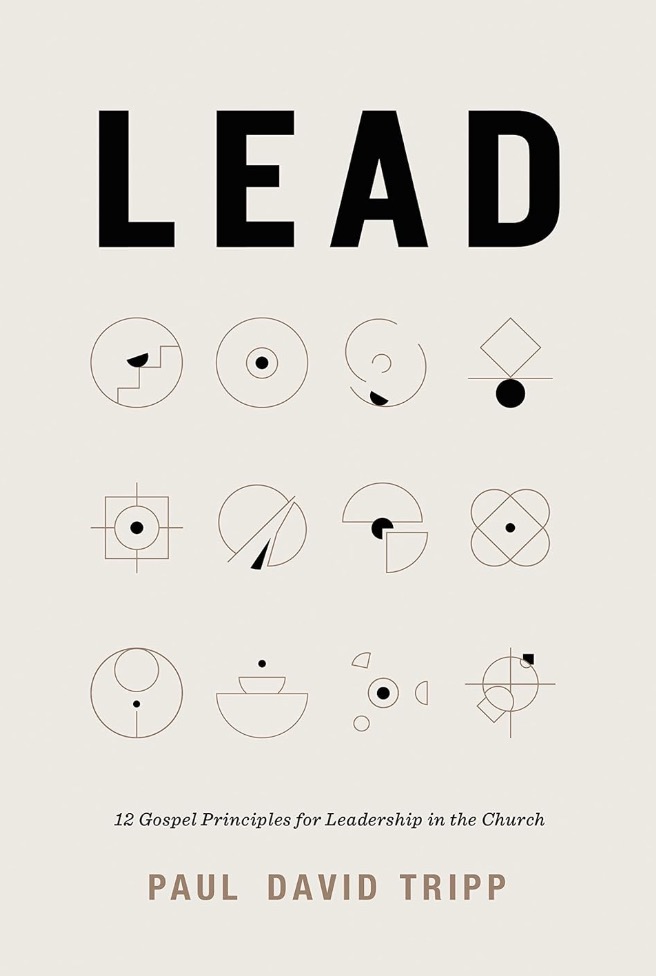
There are a lot of books on leadership out there. This is a good one.
Thanks for checking in.
Sign up here to receive Darren Carlson's The Monday After email. This weekly newsletter is designed to encourage your faith and share inspiring stories of what God is doing around the world. Each edition features a short devotional, a story that will give you a glimpse of His work in unexpected places, and a resource you might find helpful.
8.10.26The People of the Book Who Don't Read
You can read. You've been able to read since you were a small child, so long that you can't remember what it felt like not to. You can't look at a stop sign and not read it. Literacy has rewired your brain. And because you read in English, you've been shaped […]
8.3.26A Non-Anxious Presence
Ecclesiastes 10 is a chapter about how small things ruin big things — dead flies in the perfume, one sinner destroying much good. Qohelet walks through an upside-down world where fools sit in high positions and princes walk like slaves. But before he describes that world, he tells you how to […]
7.27.26Outrage Porn
"As charcoal to embers and as wood to fire, so is a quarrelsome person for kindling strife." — Proverbs 26:21 (NIV) I do this more often than I'd like to admit: I'll come across some argument online — a thread, a controversy, a "this changes everything" post — and it looms […]
7.20.26The Stream
"There is a river whose streams make glad the city of God." (Psalm 46:4) Psalm 46 mentions water twice, and the contrast is the whole point. First, the sea—roaring, swelling, threatening: "though its waters roar and foam and the mountains quake with their surging" (vv. 2–3). The sea is the ancient […]


